
The Victorian Government’s housing changes
Melbourne is being reshaped at an unprecedented pace – not through careful, community-led planning, but through a package of rushed changes designed to force rapid population growth towards a city of 8 million by 2050.
At the centre of this agenda are the Activity Centre Program and ResCode changes. Together, they designate 60 Activity Centres across Melbourne, with a target of 360,000 new dwellings – and more to come. Early maps identified up to 130 potential centres across metropolitan Melbourne, signalling that this is only the beginning of a much broader transformation.
The changes are also accompanied by housing targets for each council area. Boroondara’s target is 135,500 dwellings by 2051 – an increase of almost 90% on current dwelling numbers.
But this is not simply about accommodating growth. These changes represent a profound shift in how planning decisions are made in Victoria. Power is being centralised, local councils are being sidelined, and communities are losing their voice in shaping the neighbourhoods they live in.
Underlying these changes is a “supply at all costs” approach – the assumption that approving large volumes of housing, anywhere and as fast as possible, will automatically solve affordability. Yet this theory is increasingly questioned, with growing evidence that it fails to deliver equitable, well-designed, and liveable outcomes.
What is being proposed is not just change – it is a redefinition of whose interests planning serves, and who bears the consequences. The main changes of this package include:
-

Activity Centre Program
Read more: Activity Centre ProgramActivity Centres are at the heart of the Victorian Government’s planning overhaul – concentrating high-density development into selected suburbs and regional cities.
-
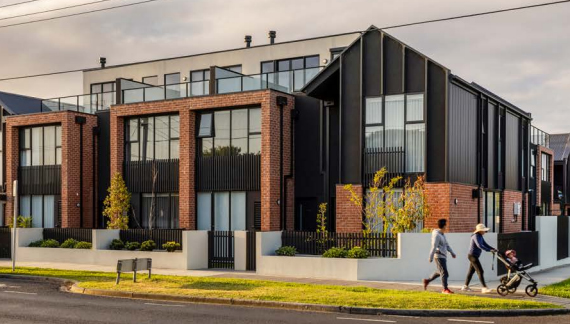
Townhouse and Low-Rise Code (up to 3 storeys)
Read more: Townhouse and Low-Rise Code (up to 3 storeys)Fast-tracks up to 3-storey developments under reduced standards, removing council discretion and community appeal rights while weakening protections for privacy, trees, gardens and open space.
-
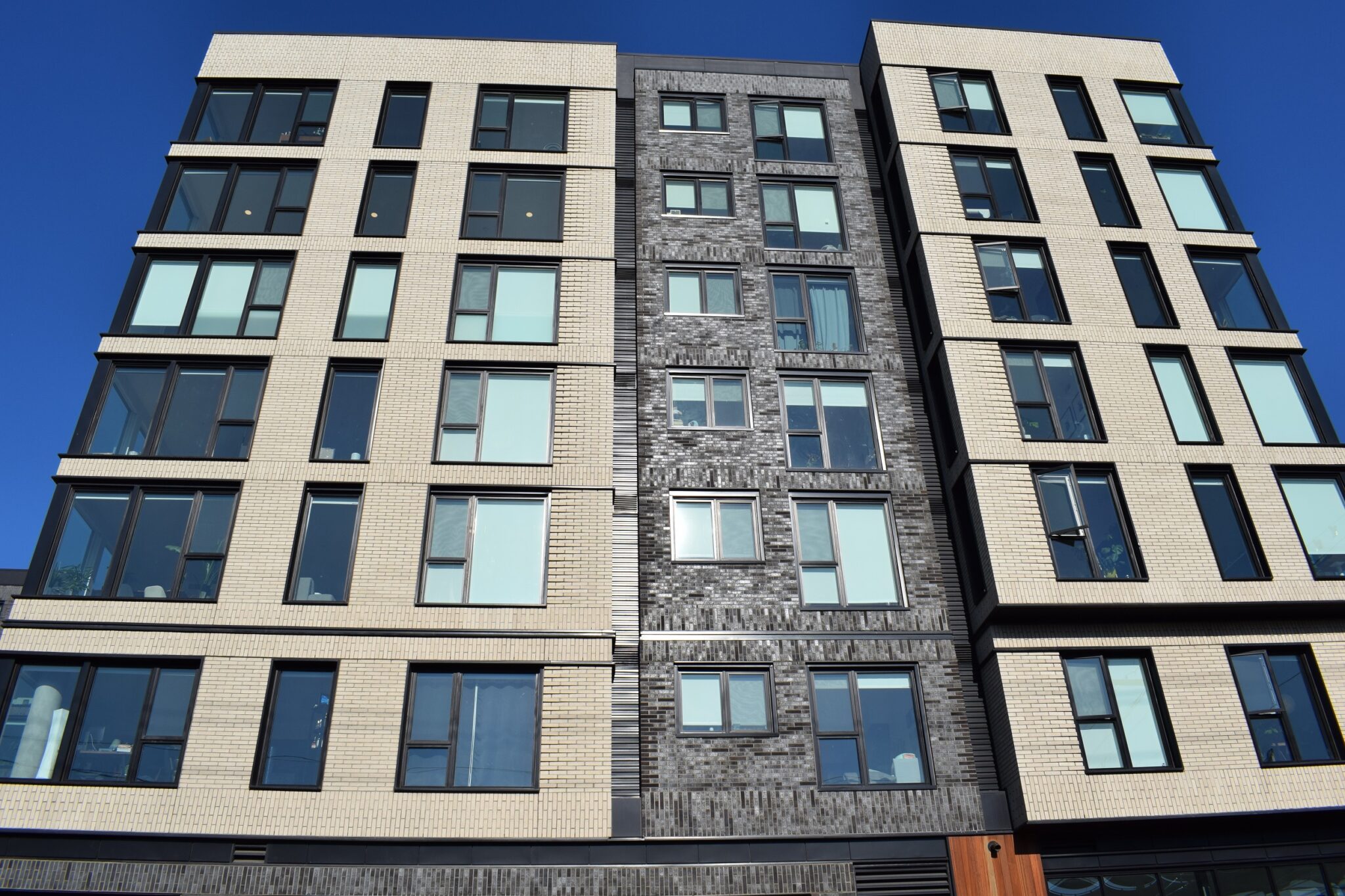
Mid-Rise Code (4–6 storeys)
Read more: Mid-Rise Code (4–6 storeys)State-wide rule that fast-tracks 4–6 storey apartment developments under weaker standards, removing council discretion and community rights while prioritising speed and developer yield over design quality and liveability.
-
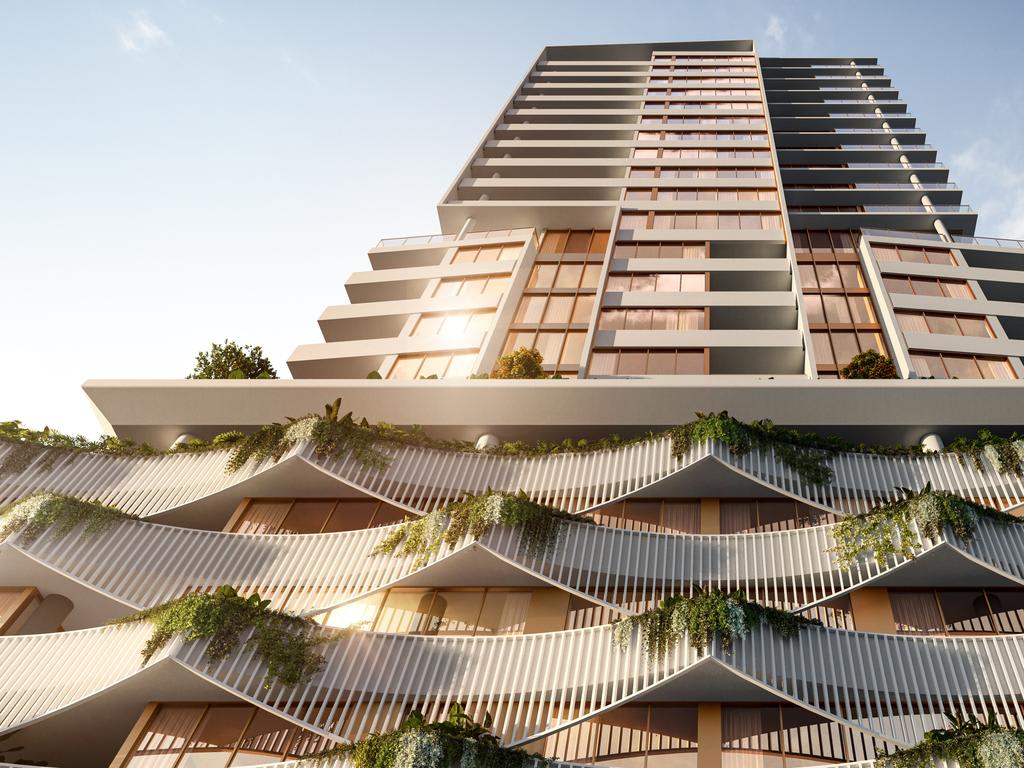
Development Facilitation Program (Affordable Housing)
Read more: Development Facilitation Program (Affordable Housing)Fast-tracks large housing projects through a direct Ministerial approval pathway, bypassing normal council planning processes, planning rules and community participation. While intended to accelerate housing delivery, approved projects are not necessarily “shovel ready” and developers may pay a cash contribution in lieu of providing affordable housing.
-
Great Design Fast Track
Read more: Great Design Fast TrackAllows selected developments to bypass normal planning rules through ministerial approval, removing community rights and enabling greater building heights and reduced standards in the name of speed.
-
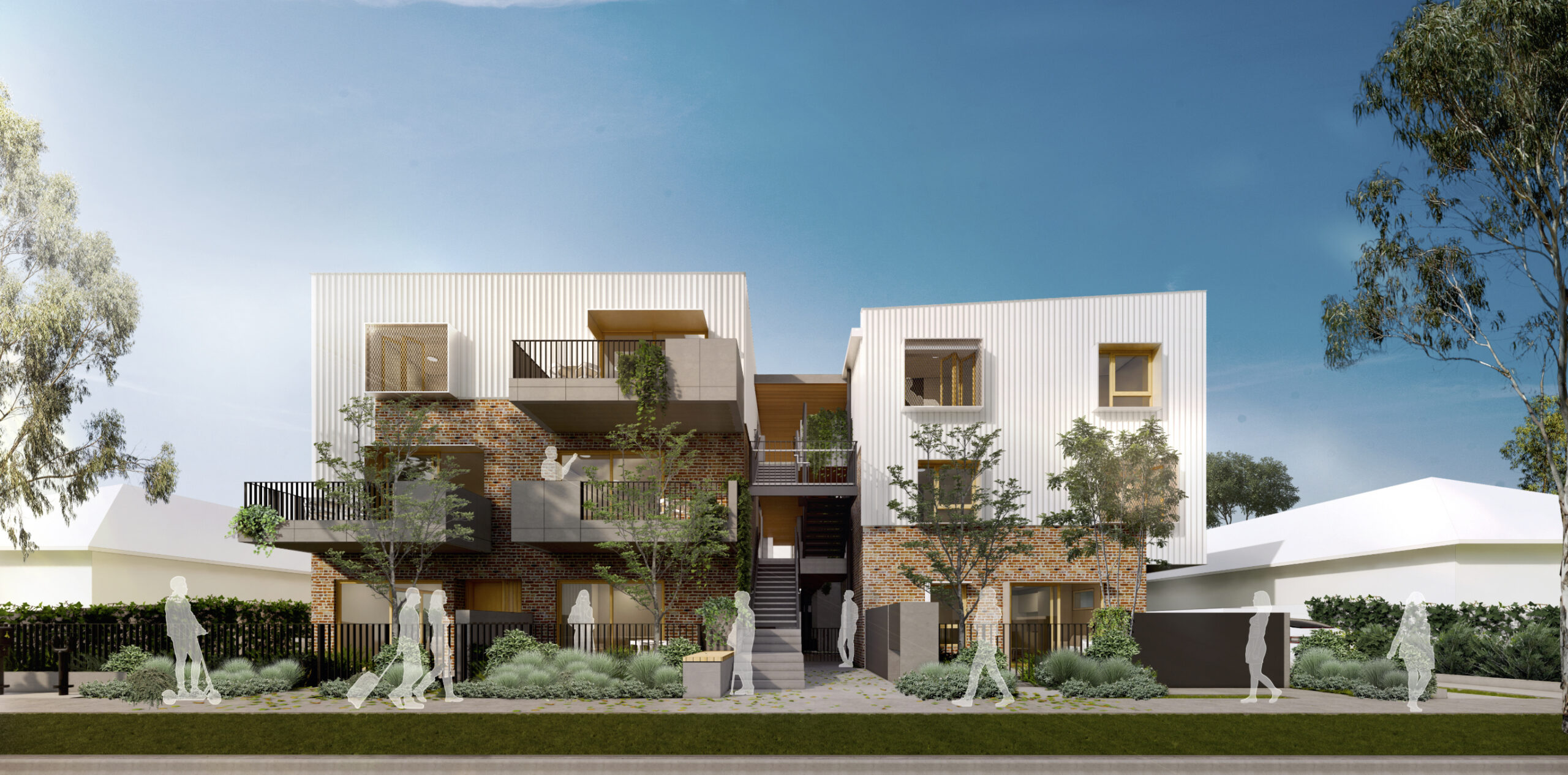
Future Homes Program
Read more: Future Homes ProgramThe Future Homes Program promotes standardised apartment designs across diverse neighbourhoods, prioritising consistency and speed over site-specific design and local character.
-
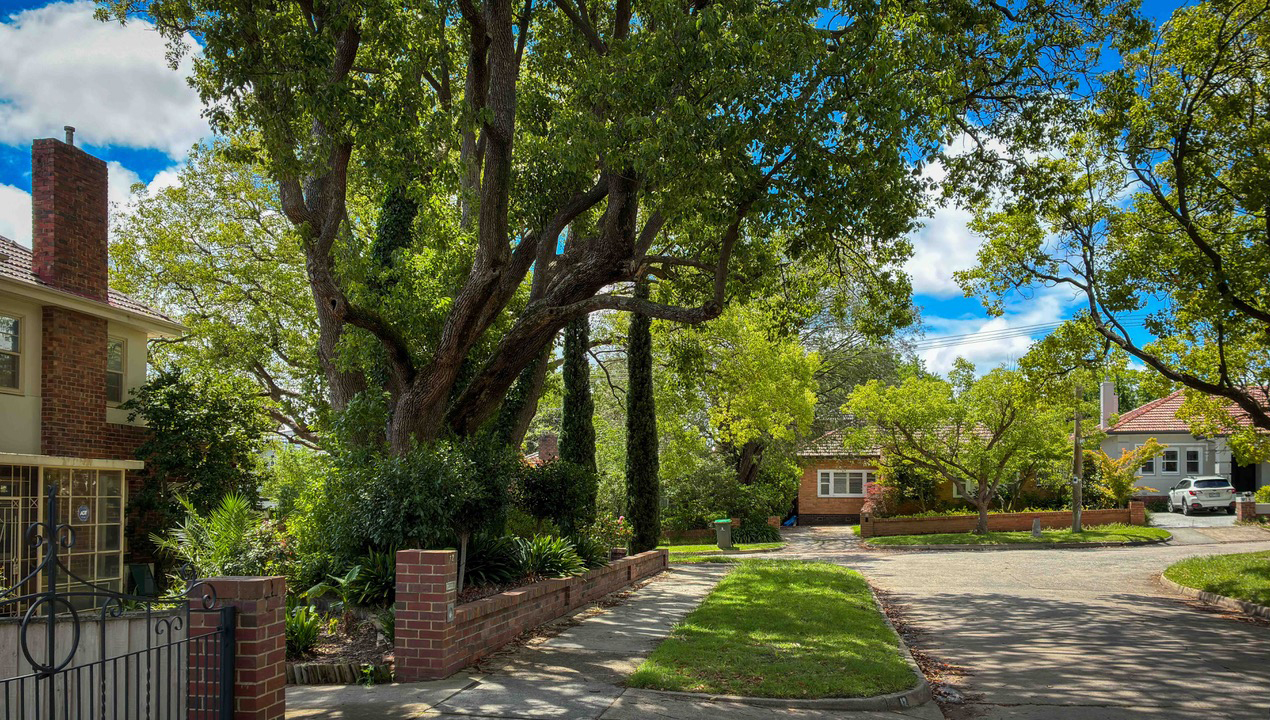
Tree canopy controls
Read more: Tree canopy controlsThe new canopy tree controls provide additional protection for some trees, but concerns remain about whether they will be sufficient to offset the broader loss of private gardens and tree canopy resulting from Victoria’s planning changes.
-
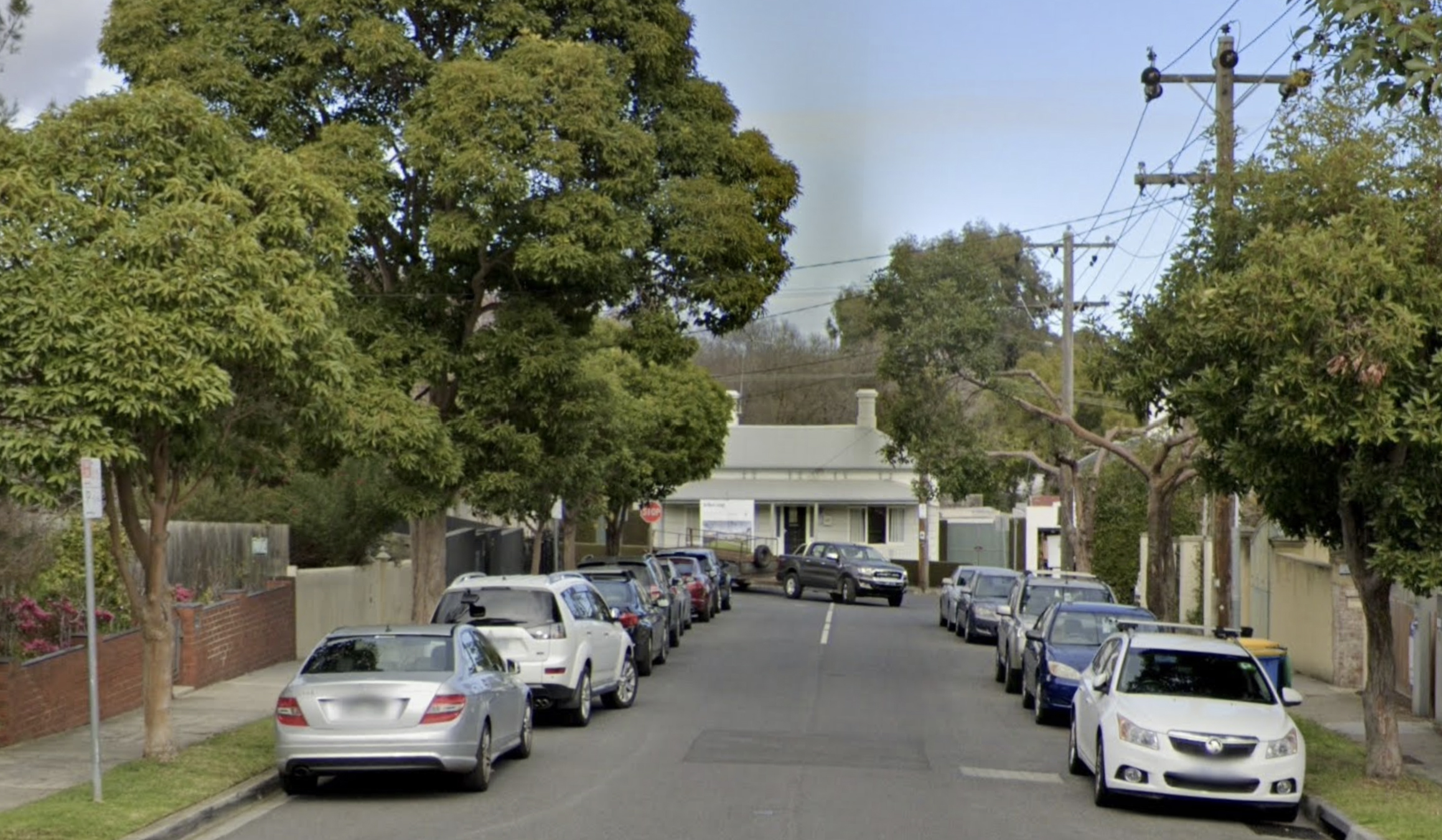
Car parking changes
Read more: Car parking changesNew car parking changes reduce parking requirements in many locations, raising concerns that parking demand will be shifted from new developments onto already crowded residential streets.
-

‘Better Decisions, Made Faster’ Bill
Read more: ‘Better Decisions, Made Faster’ BillCentralises planning power in the hands of the Minister, reduces transparency and appeal rights, and limits community involvement in decisions affecting homes, neighbourhoods, and environmental protections across Victoria.