
Concerns
These planning changes are being presented as a solution to housing affordability and growth but the reality is far more complex, and far more concerning.
A number of serious risks are emerging. These are not abstract or technical issues, they go directly to the quality of life in our neighbourhoods, the resilience of our environment, and the fairness of the planning system itself.
At the same time as decision-making is being centralised and fast-tracked, key safeguards are being weakened or removed. Local knowledge is being sidelined, infrastructure planning is unclear, and long-standing protections around amenity, heritage, and environmental sustainability are being reduced.
The result is a model of growth that prioritises speed and volume, while leaving communities to absorb the long-term consequences.
The main concerns with these planning changes include:
-
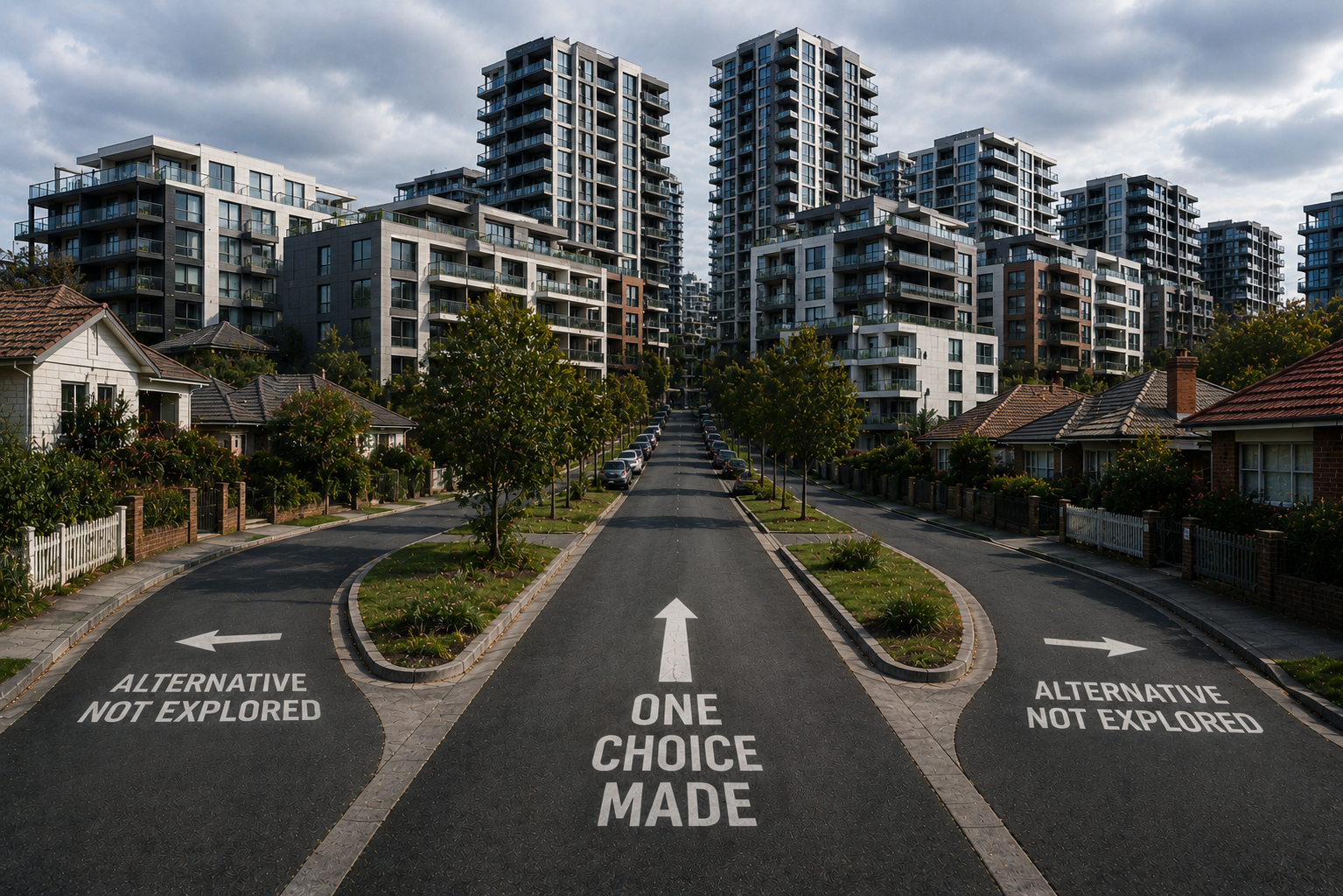
What are the alternatives?
Read more: What are the alternatives?This is not a choice between the Government’s planning model and urban sprawl. There are many alternative ways Melbourne could accommodate housing growth. Why has one apartment-led planning model been chosen over other credible alternatives?
-

Affordable housing
Read more: Affordable housingIncreasing housing supply does not automatically create affordable housing. In suburbs with high-value land, market-led development is more likely to deliver higher-priced apartments and townhouses than homes affordable to low- and moderate-income households.
-
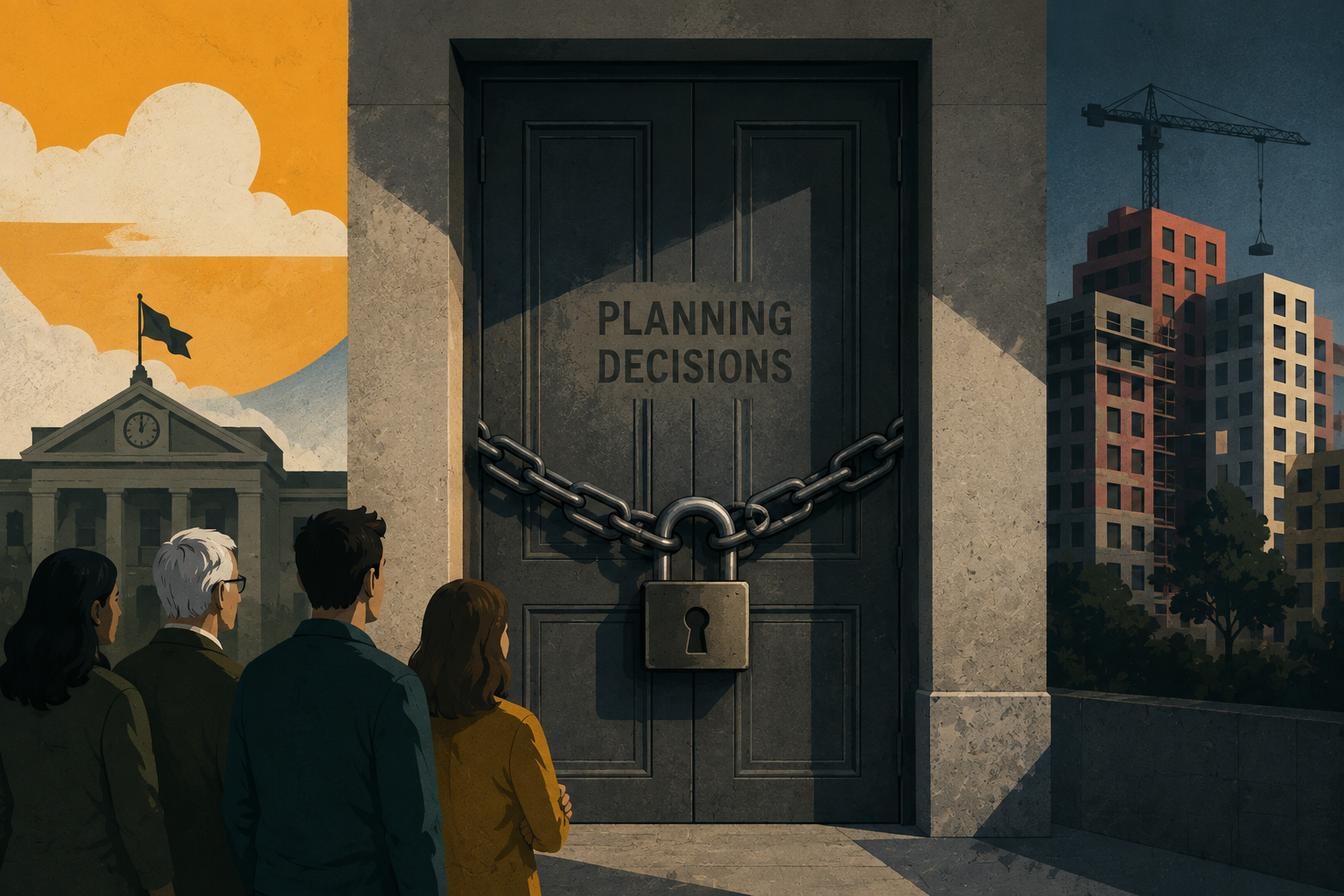
Community and Council locked out
Read more: Community and Council locked outThe Government is pushing aside democratically elected local councils and the communities they represent to centralise planning powers in the hands of the Minister.
-
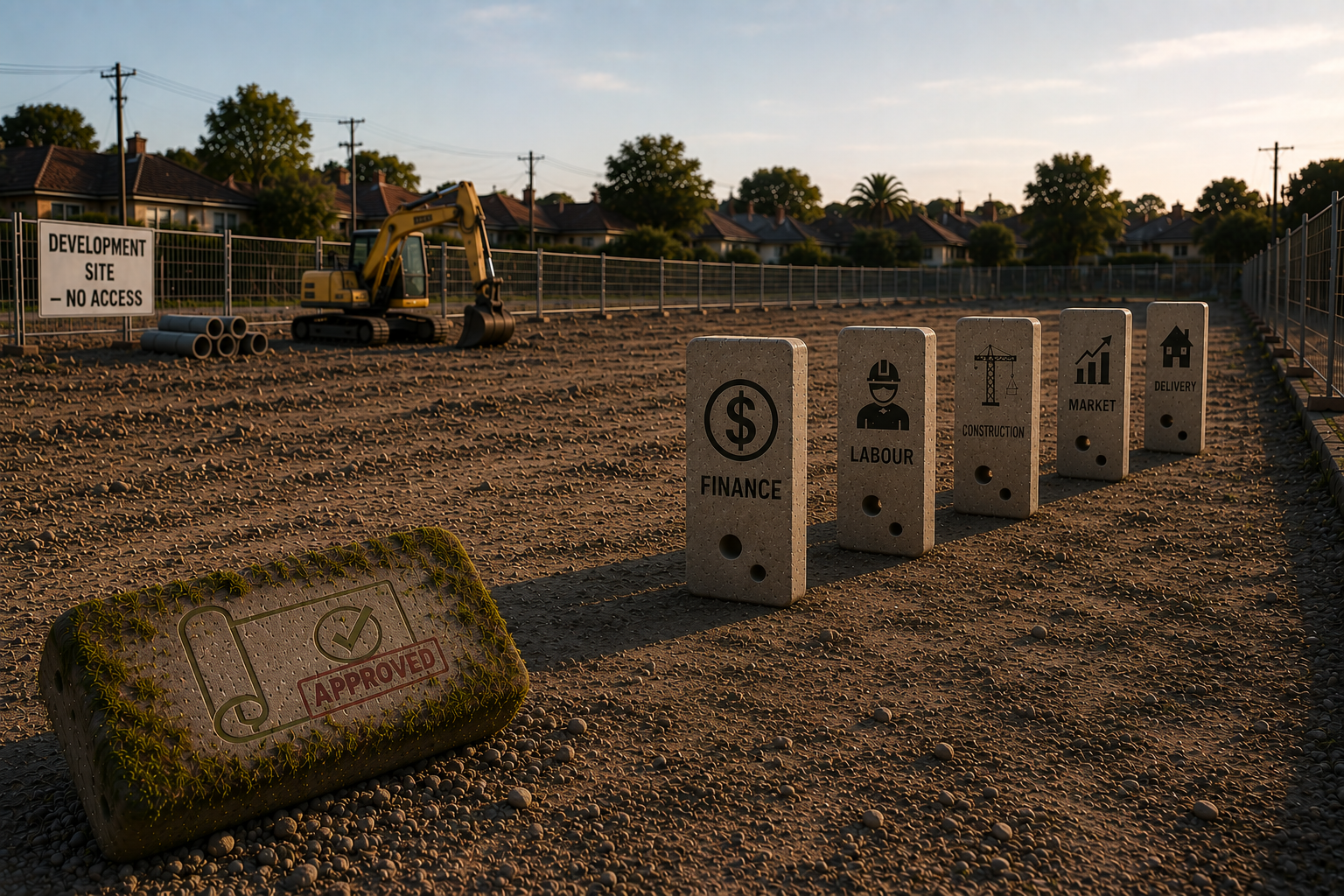
Is planning the barrier?
Read more: Is planning the barrier?The Victorian Government argues that planning is the principal barrier to increasing housing supply and improving affordability. What does the independent evidence say?
-
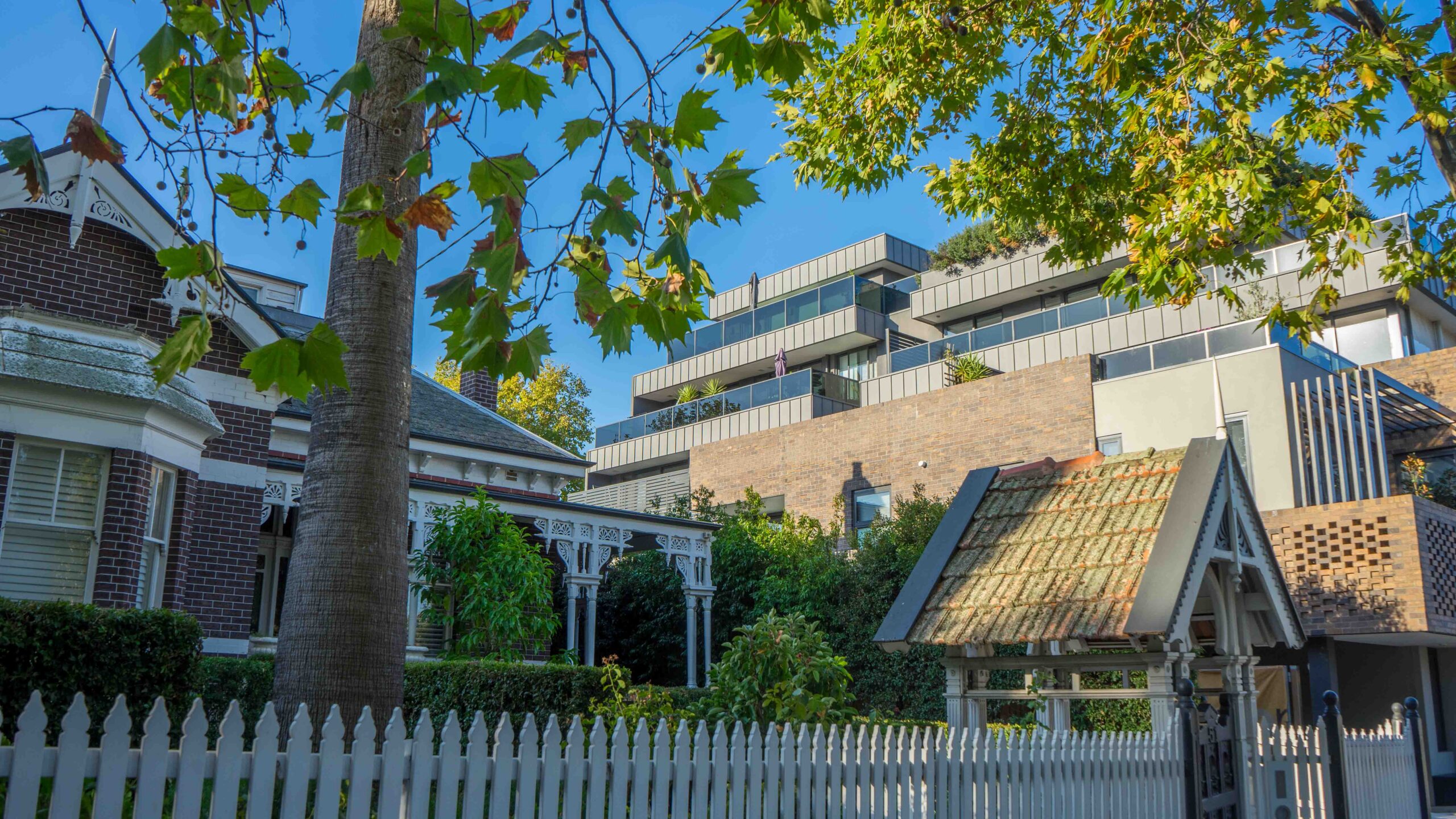
Privacy, overshadowing and amenity
Read more: Privacy, overshadowing and amenityTaller buildings and reduced setbacks increase overlooking, overshadowing, reduce privacy and change the character and liveability of established neighbourhoods.
-
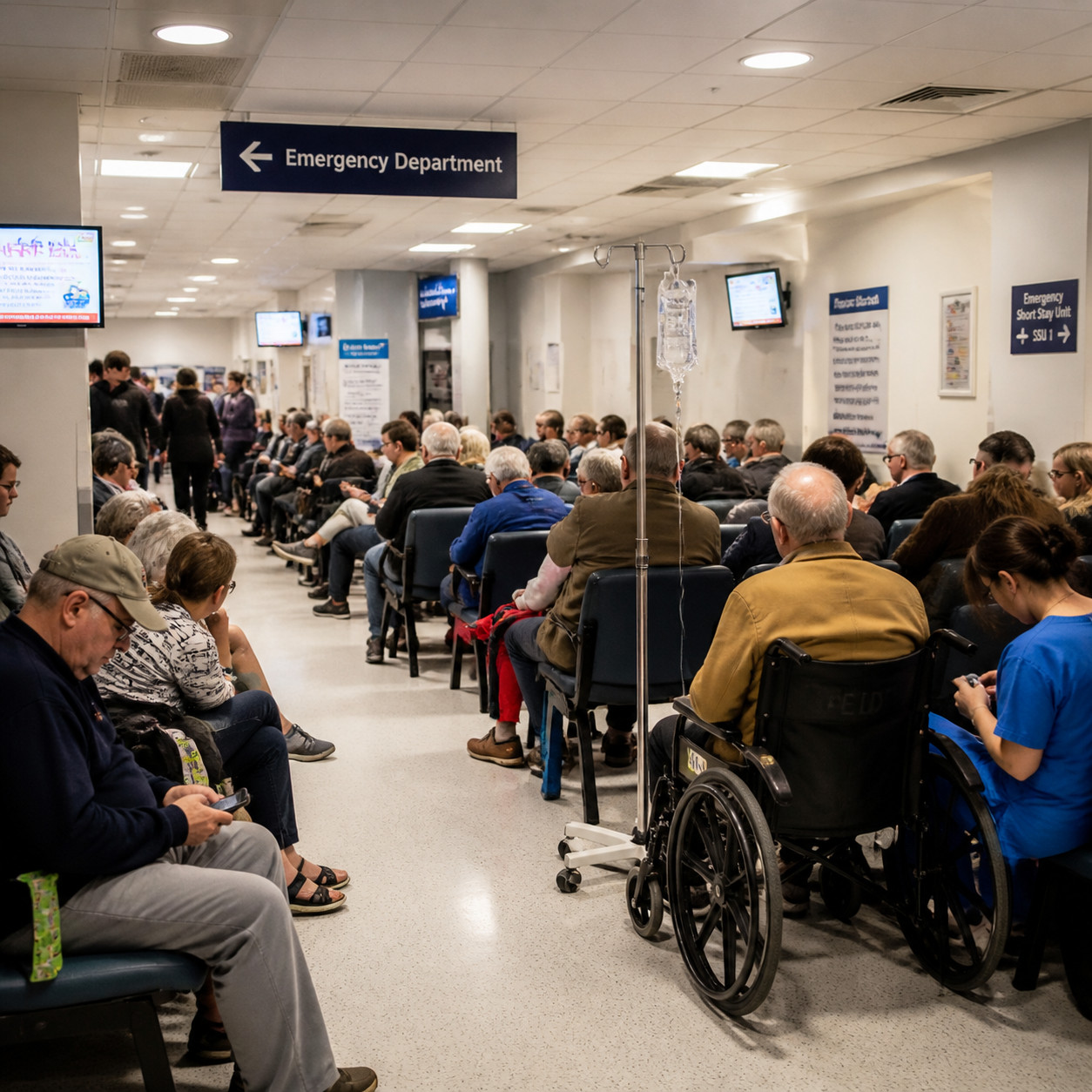
Can infrastructure keep pace?
Read more: Can infrastructure keep pace?Massive housing growth is being directed into established suburbs on the basis that existing infrastructure can support it. But has the Government demonstrated that existing infrastructure has the capacity to accommodate the scale of growth being proposed?
-
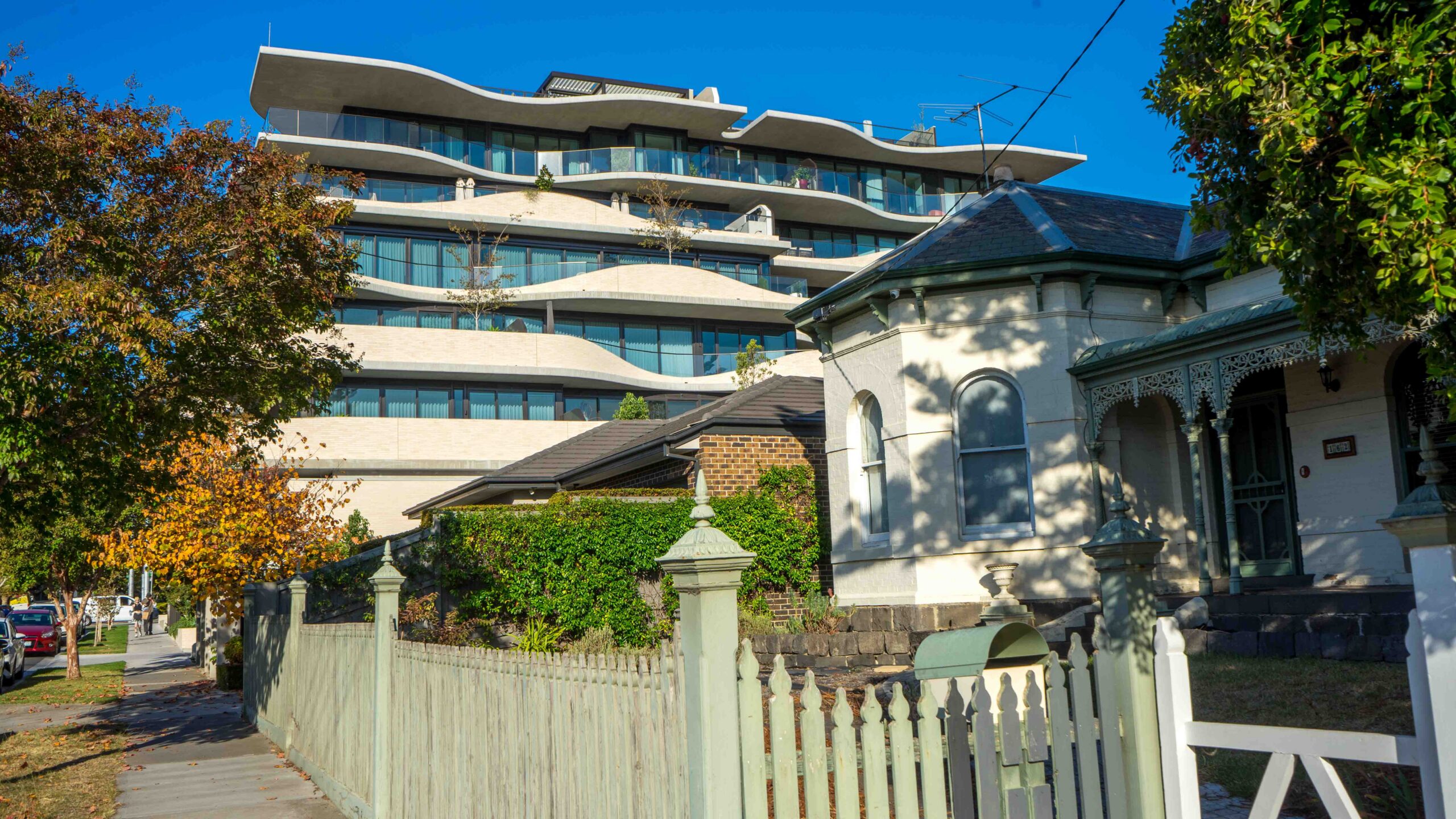
The reality of piecemeal mid-rise development
Read more: The reality of piecemeal mid-rise developmentSee what piecemeal, market-led redevelopment can look like in practice. This gallery explores the visual impacts of incremental redevelopment on Melbourne’s established suburbs.
-
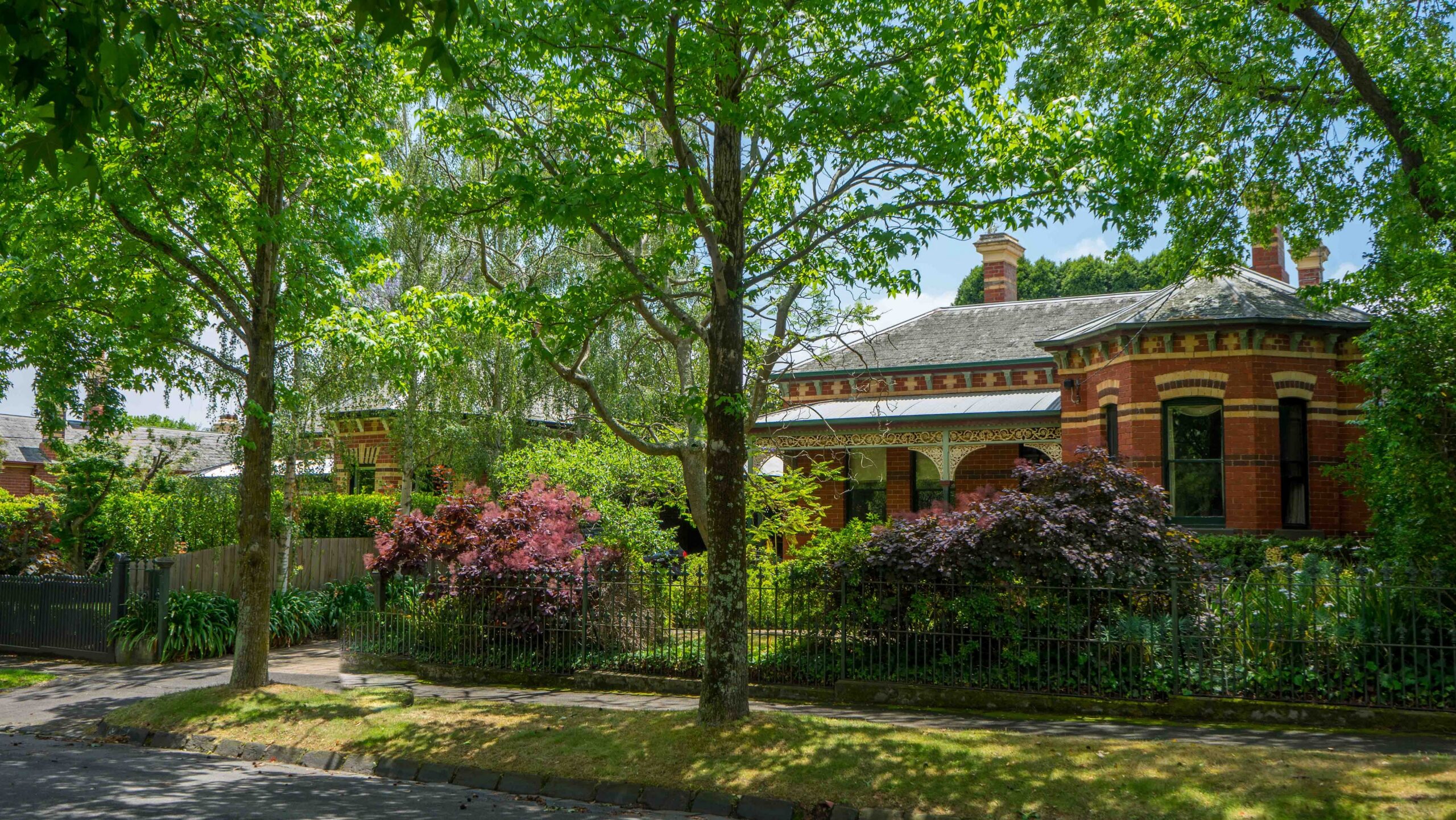
Heritage and neighbourhood character
Read more: Heritage and neighbourhood characterMelbourne’s distinctive suburbs did not happen by accident. This page explores how one-size-fits-all planning controls place heritage, neighbourhood character and local identity at risk by treating very different suburbs as though they were the same.
-
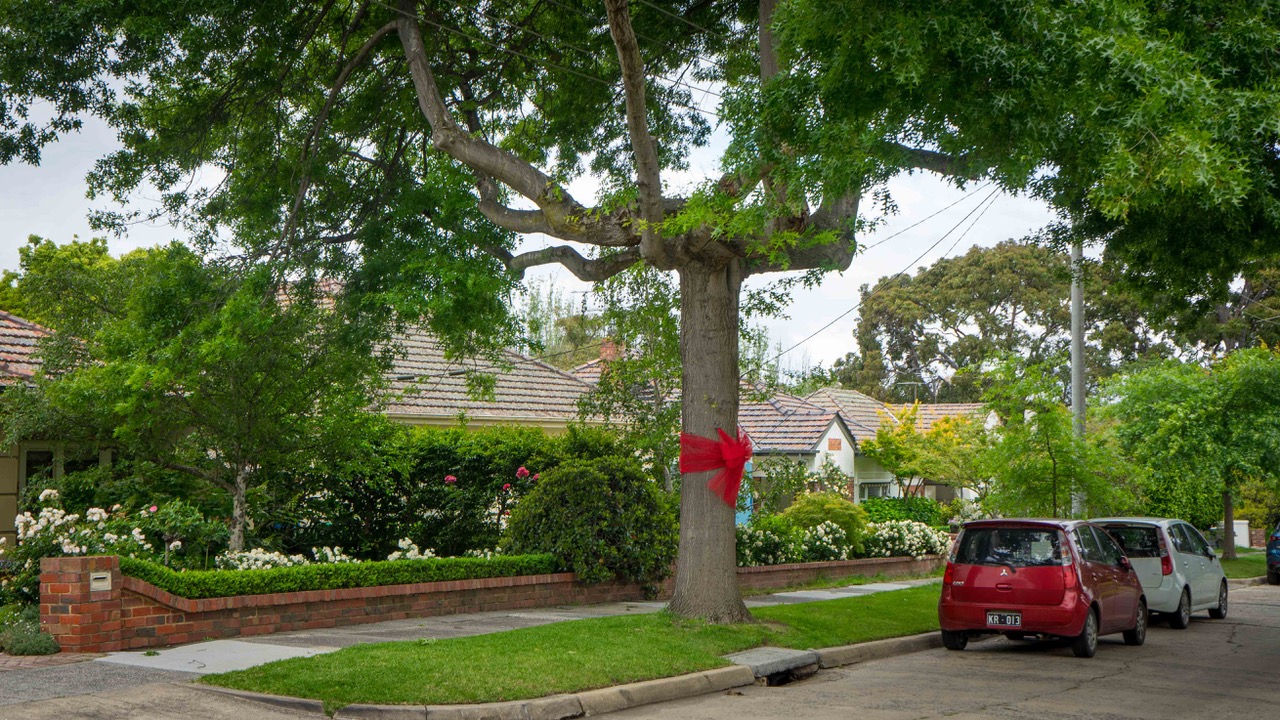
Loss of gardens and tree canopy
Read more: Loss of gardens and tree canopyMelbourne’s garden suburbs cannot survive without gardens. This page explores why mature trees depend on deep soil, generous setbacks and meaningful garden space and why tree planting targets alone cannot replace what is being lost.
-

Loss of protection for solar access
Read more: Loss of protection for solar accessThousands of Victorian households have invested in rooftop solar, yet the Mid-Rise Code does not protect existing solar panels from overshadowing in activity centre catchments and other growth areas.
-

Urban heat and climate resilience
Read more: Urban heat and climate resilienceLess vegetation and more hard surfaces will increase temperatures, reducing climate resilience and liveability.
-

Biodiversity loss
Read more: Biodiversity lossBiodiversity doesn’t only exist in parks and reserves. This page explores why thousands of ordinary suburban gardens together form one of Melbourne’s most important urban wildlife habitats—and what happens when those connections are gradually lost.
-
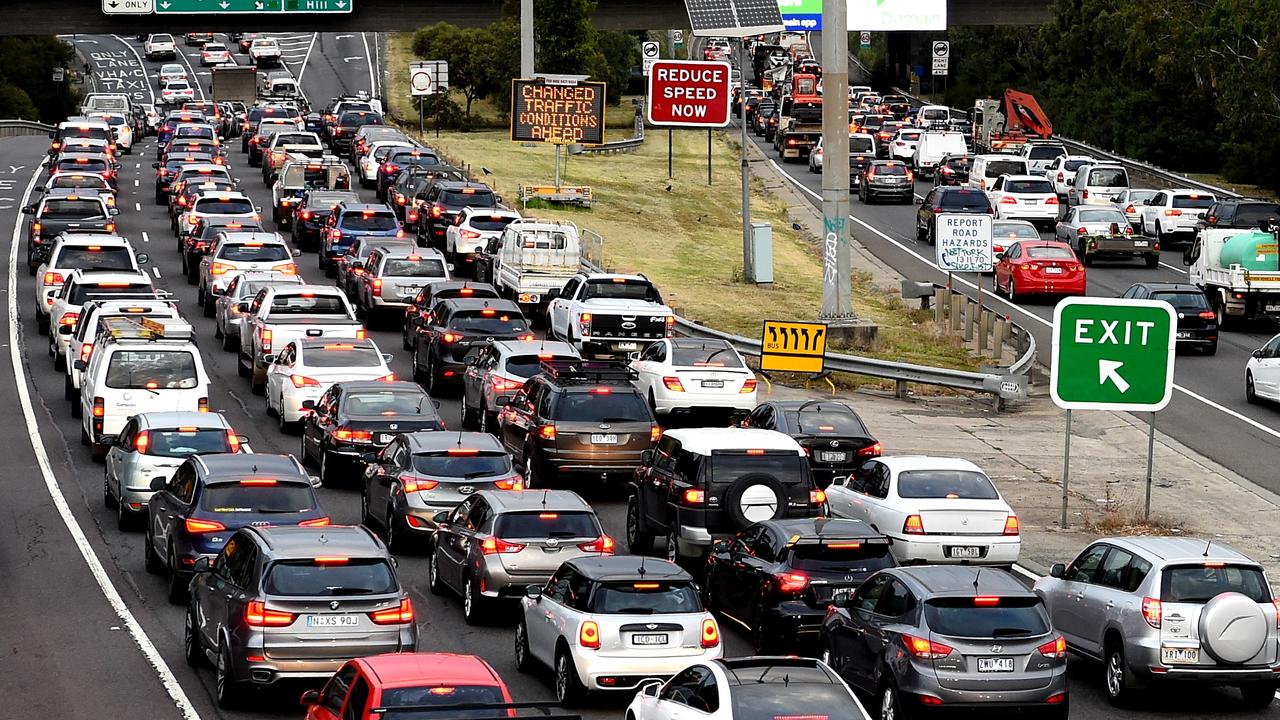
Traffic and congestion
Read more: Traffic and congestionHigher-density housing increases demand for transport. Can Melbourne’s existing roads and public transport keep pace?
-
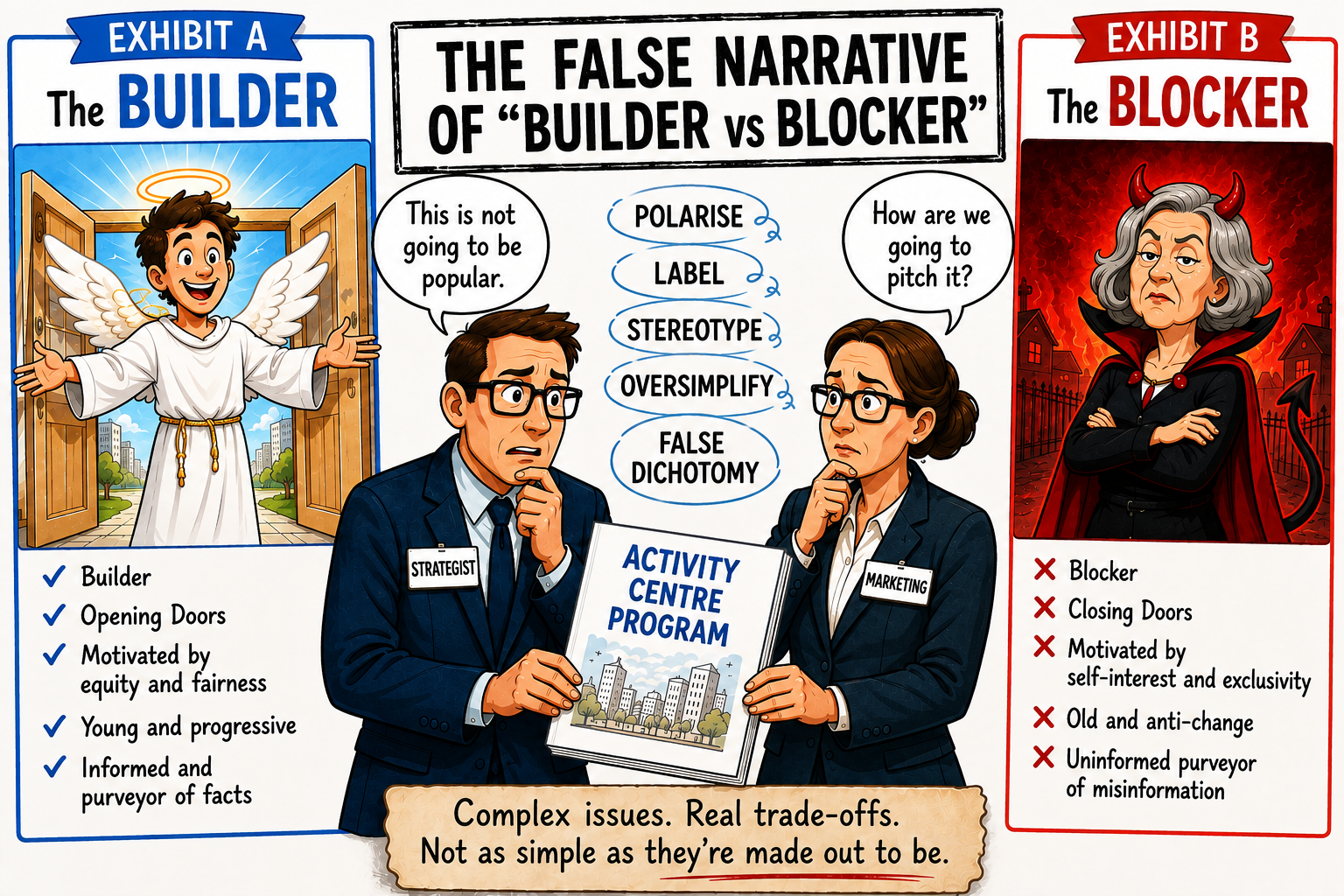
The false “BUILDER vs BLOCKER” narrative
Read more: The false “BUILDER vs BLOCKER” narrativeThe Government has oversimplified the debate by framing it as a divisive “Builders versus Blockers” argument, rather than encouraging a serious discussion about how Victoria should grow.
-
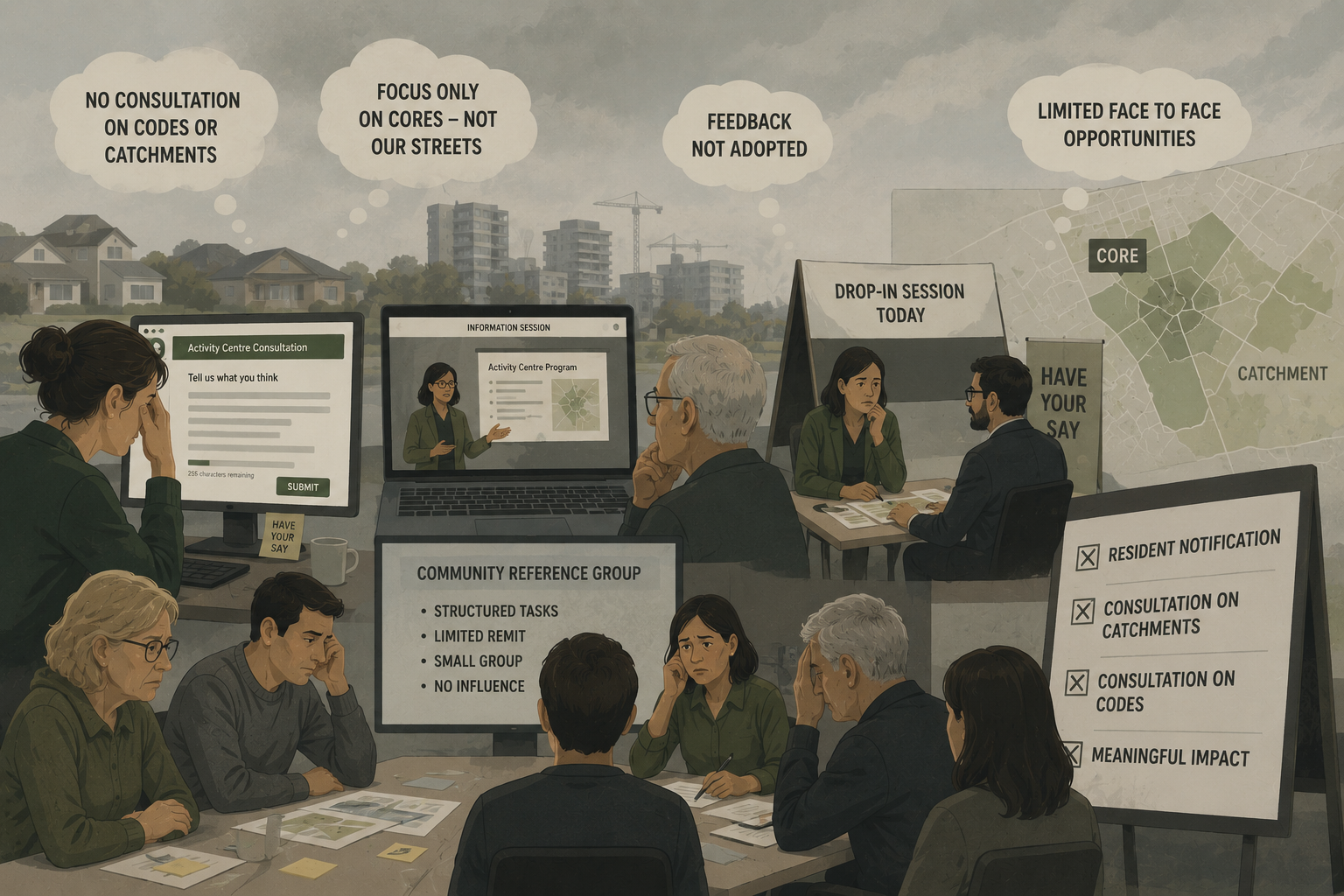
Community consultation and engagement
Read more: Community consultation and engagementThe Victorian Government has described its consultation program as extensive. Many councils, community groups and residents argue that, while consultation occurred, the most significant planning decisions were never genuinely open for community influence.