
Mid-Rise Code (4–6 storeys)
The Mid-Rise Code is a new state-wide planning control governing apartment developments between 4 and 6 storeys across Victoria. It replaces existing local planning standards with a single, uniform set of rules designed to accelerate approvals and reduce developer risk.
Critically, it introduces a “deemed-to-comply” pathway: if a proposal meets the prescribed standards, councils must approve it – regardless of local context or community concerns. Where other planning permit triggers such as a heritage or environment overlay apply to the land the application will still need to comply with those controls as well as the new code.
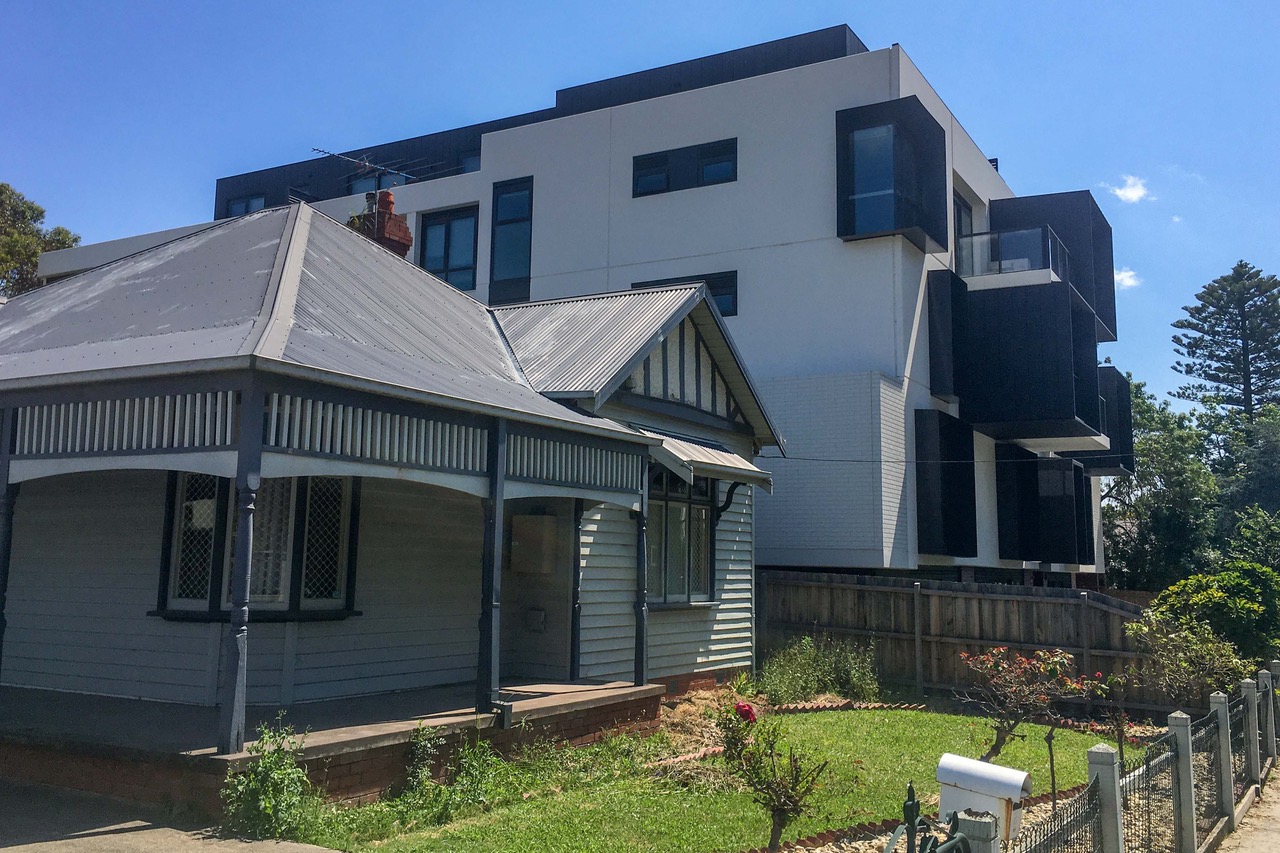
Lower standards, bigger impacts
The Mid-Rise Code sets more permissive standards than those previously in place. In some instances they are more permissive than for 3 storeys developments This reflects the expectation that most developments will be at least 4 storeys.
Key changes include:
- Minimal front setbacks (as little as 3 metres)
- Limited setbacks to side and rear boundaries (4.5 metres)
- No requirement to recess upper storeys, allowing flat, uninterrupted building facades up to 21 metres high
- No requirement to assess impacts on existing solar access
- Reduced tree canopy requirements
- Outdoor private space reduced to 25 sqm
- Removal of requirement to include family sized dwellings in a larger development
- Reduced environmental sustainability expectations
In practical terms, this enables bulkier buildings, closer to boundaries, with fewer design constraints and less consideration for neighbouring properties.
Amenity is reduced through increased overlooking and overshadowing. New standards permit overlooking into bedroom windows in circumstances that would previously have required screening or redesign.
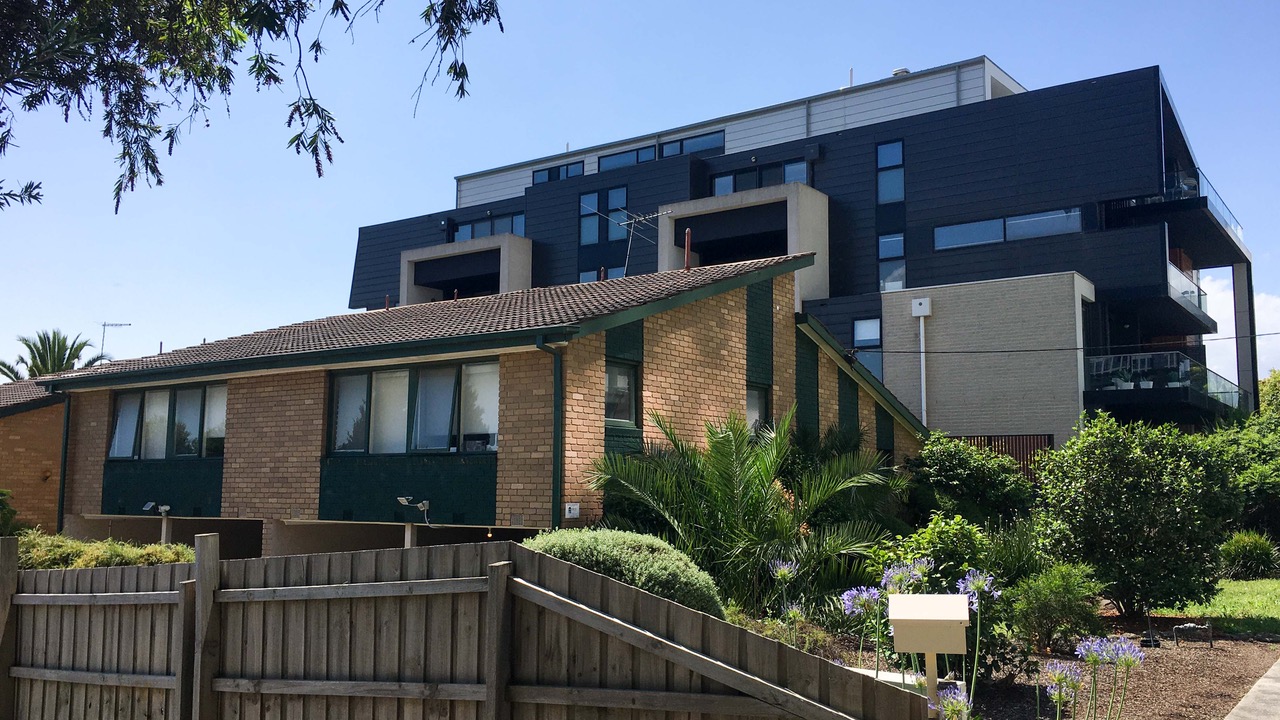
A fast-track approval system
Under the new system, councils are no longer able to meaningfully assess the quality or suitability of proposals. Their role is reduced to checking whether a design meets the code’s numerical standards.
If it does, approval is mandatory.
This represents a major shift away from performance-based planning – where design quality, context, and amenity are considered – towards a rigid, rules-based system focused on speed and certainty.
Community rights removed
While developments may still be publicly notified, objections are effectively limited to technical compliance with the code.
If a proposal meets the standards:
- Councils must approve it
- There is no right to appeal the decision at VCAT
This removes long-standing rights for communities to challenge developments that impact their homes, streets, and neighbourhoods.
One-size-fits-all design
The Mid-Rise Code applies the same standards across all suburbs in Melbourne and Victoria, regardless of local character, heritage, or urban context.
This opens the door to:
- Repetitive, “cookie-cutter” apartment designs
- Buildings that do not respond to their surroundings
- Loss of neighbourhood identity and streetscape diversity
Planning experts have raised concerns that the code incentivises the cheapest, simplest building forms – limiting innovation and discouraging higher-quality, context-sensitive design.
What this means for Melbourne
The Mid-Rise Code is not just a technical change – it fundamentally reshapes how apartment developments are assessed and approved.
By lowering standards, removing discretion, and restricting community input, it prioritises rapid development over thoughtful planning.
The likely outcome is a significant increase in mid-rise apartments delivered under weaker rules – with long-term consequences for housing quality, neighbourhood character, and the liveability of Melbourne’s suburbs.